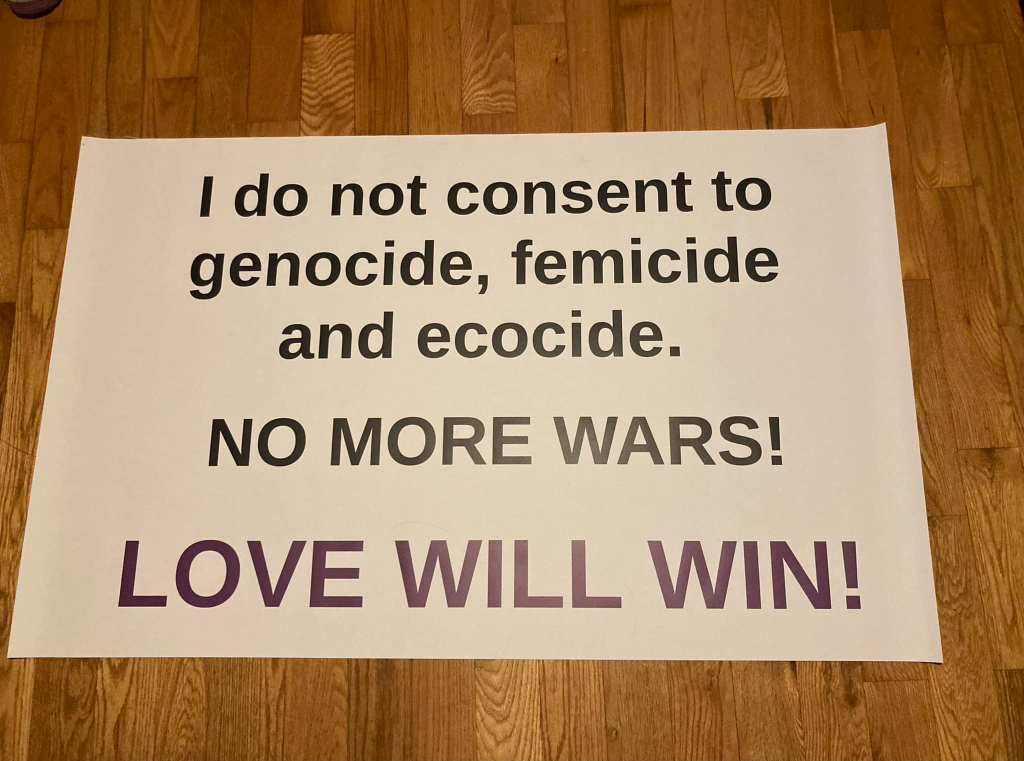
academic pieces, critical analysis’s and intersectional matters…
Grassroots action is where change lies but our governments are still failing women.
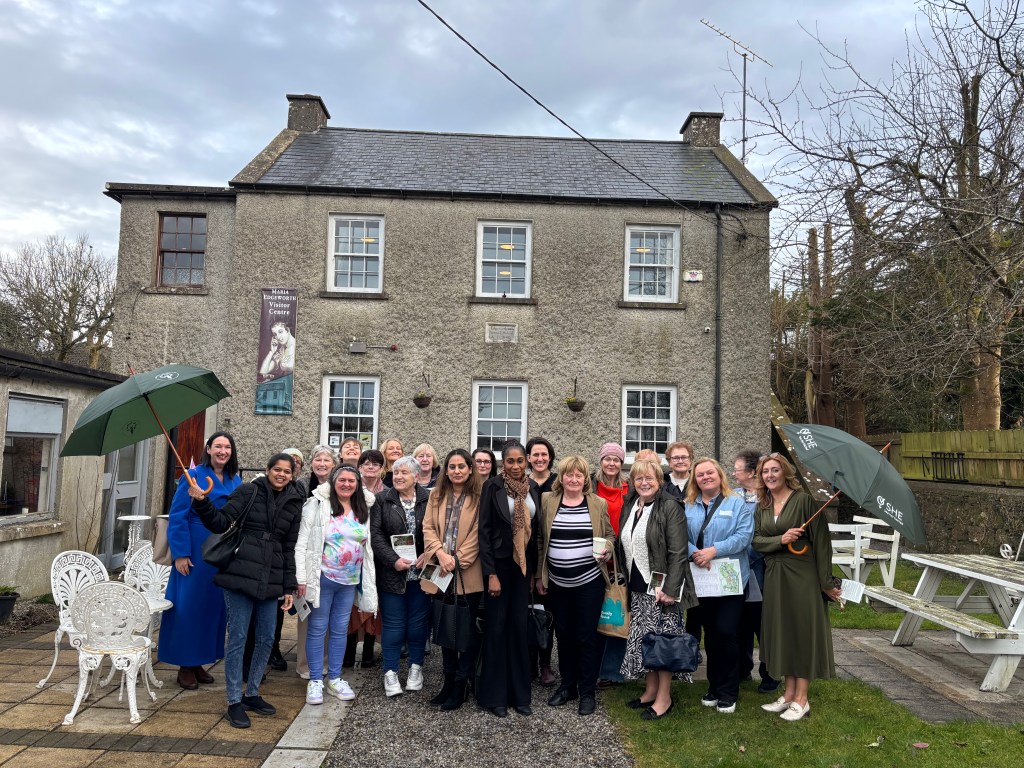
It was the last day of November (2024), and it was at the Seamus Heaney Home Place. It was an all-women event called “Political Visions From the Grassroots.” A friend asked me to attend and contribute, and the promise of lunch, scones, and a day of connecting with other women was enough to encourage me to give up my Saturday for a day of cross-border sharing. I am glad I did go because what I heard was important, and the day was both engaging and inspiring in equal measure. I get a lot of abuse, disrespect, and bullying as an intersectional feminist academic, but this day affirmed everything I stand for and believe in. I needed it.
Last year (2023) I started two petitions with the website change.org in my campaigning on gender-based violence and environmental issues. The first began in March 2023 and is called- Stop Femicides in Northern Ireland, and the second is called- Love Lough Neagh: Stop Pollution, Protect Wildlife, and Empower Local Communities. The first petition has 99 signatures and the second has over 40,000, both started in the same year but one issue seems to be taken more seriously and has much greater media support than the other. Both these issues have been stated to be on the list of priorities for Stormont, one has much more public support than the other. Why would everyone not want to stop women from being murdered?
At the event the attendees brought issues that mattered to the discussion and gender-based violence came up immediately, followed by health and the environment. These three issues dominated the day and the offerings from the group were brave, brutally honest, and politically and culturally damning. Many of the women who attended were mothers and grandmothers. While there was not always complete consensus and agreement on every issue, this non-agreement led to fruitful and respectful discussions, progress, and dialogue. This was my favourite part of the day; it was a safe and productive space to have respectful and progressive conflict which led to compromise and understanding.
In the afternoon 5 local female councillors attended from three of the main parties, namely Sinn Fein, SDLP, and DUP and they were asked to answer questions on key issues. They did not have an easy time and some of the participants were visibly upset and disappointed. Several women expressed that all our public services are set up to protect perpetrators of gender-based violence. A recent criminal case heard in Dungannon court was shared where a man gave a full admission of guilt to Common Assault in a police interview. In court the judge acquitted the defendant, placing the woman and children in danger for reporting the incident. Even with full admissions of guilt from perpetrators, judges find insufficient evidence to prosecute.
The stories and statements from the women in the room were that there is little point in reporting as our services and courts are not fit for purpose -many crimes are reported, but few successful outcomes. The question was made to the politicians- what are you going to do about the judges? They could not answer. The law is seen to be archaic and misogynistic for most of the women who have engaged in criminal processes. It must be reformed to protect women from gender-based violence or there is no point reporting.
One of the political representatives who attended made the courageous and honest statement that “every woman in this room knows what it is like to have experienced gender-based violence and nothing be done about it.” Her words, her honesty, and her courage gave some of us hope. It is rare to hear a political representative be so authentic and raw about interpersonal violence and I was encouraged by her. Will this lead to meaningful action? Time will tell.
The word misogyny (hatred/ distrust of women) seems to make most people uncomfortable but is often misunderstood and misused. Women are often misogynists and this is because of an unfair and prejudicial power structure; patriarchy. Bell Hooks wrote “Patriarchy has no gender” and neither does misogyny, To succeed in my career and in my life I have depended on support and help from many men and thankfully received it. We must work together to stamp out injustices, but first we must recognise they exist. There are still gender pay gaps, women are still kept out of powerful decision-making processes, it is still not safe to report gender-based violence in this country, and women are being murdered here at a shocking rate.
Northern Ireland is not safe and if we want this to change we need to work together. Men should feel encouraged about what happened at the Seamus Heaney Home Place on the last day of November. If we want to live in a society where we all thrive we must discuss these subjects openly and honestly, but for that to happen we must create safe spaces to do that. The most masculine thing any man can do for a woman in this country is make her feel safe to express herself, this is when men and women work most effectively together.
We are not the same, this is to be celebrated and respected and the more we have vulnerable and authentic conversations about those differences the safer Northern Ireland will become. It will also mean we will have happier families, communities, and relationships. The personal is political, but the event at the Seamus Heaney Home Place proved that personal health, peace, relationships, and all shared spaces are political issues.
Northern Ireland is arguably moving into a new phase of peace, where the levels of sexual and domestic violence that have been perpetrated, on men and women, can no longer be ignored and must be seriously tackled and addressed. To deal with this effectively all attitudes must change, starting with the judges and including every home, club, and business in this country.
Pre Traumatic Stress and Environmentalism.
It is well documented in research and in the mainstream media that spending time in nature can significantly benefit a person’s mental health (Divya and Naachimutha, 2020). Governments are now encouraging medical practitioners to prescribe green therapies to help with depression, anxiety and other conditions (Burale et al, 2025). In my PhD thesis I explored the relationship between nature experiences and mental health, however over the course of my thesis I came to understand that having a strong connection and deep understanding of the natural world can also have a negative impact on a person’s mental health and wellbeing (Taylor, 2023).
It was during my thesis that I became aware of terms such as ecological grief, climate anxiety and solastalgia (Albrecht, 2019). It was also during my research that I became aware of just how dangerous the situation had become in terms of the climate science and the IPCC (Interdepartmental Panel of Climate Change) reports that I was reading as part of my education. It was at this time where I was working with various campaigners and environmental groups and observing their responses to this information being disseminated. Namely Fridays for Future, Extinction Rebellion and Green Peace. Research affirms that environmentalist actions and their responses to the information can be accurately considered to be occurring, in part, as a result of ecological distress and climate related anxiety (Veijonaho et al, 2025).
The Pre Traumatic Stress responses of many environmentalists and ecologically minded citizens could be understood as motivators for them to take actions they deemed necessary to avert further environmental harm and disaster. These actions are most often linked to the dissemination of knowledge, their unique observations of the natural world and the obtaining of scientific information (Thunberg, 2024).
In recent years a phenomenon has become increasingly apparent to me, when observing environmental disasters and community responses, and that is pre-traumatic stress. This is a psychological response that generates symptoms similar to post traumatic stress; however, it occurs prior to the traumatic event taking place. This experience is often experienced by people in environmental campaigning who are trying to mitigate what is about to happen if action is not taken to stop it (Craps, 2026).
The stressful or traumatic events, that have often not yet occurred, are most often perceived and considered to be life threatening or life endangering in nature. The information and knowledge held by those experiencing the threat creates a psychological and physiological response, which impacts the mental health and wellbeing of a person. This places them at risk of medical injury and psychological and emotional harm if exposed for prolonged periods of time.
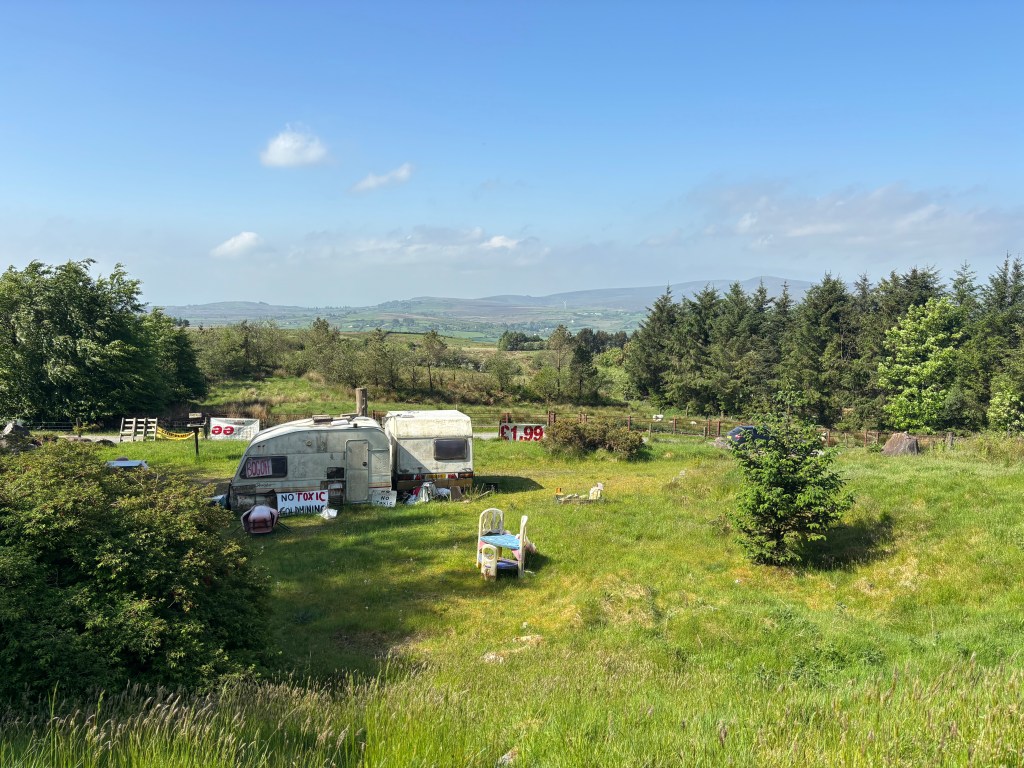
In my home, Northern Ireland, we are currently being exposed to several environmental crises which are exposing significant numbers of the population to high levels of stress, discomfort and alarm. Two current examples of how this is evidenced is through the campaigning to protect the Sperrin Mountains, an Area of Outstanding Natural Beauty from industrial extractivist practices (Barry and Taylor, 2024). The campaigning, locally and nationally, by various campaign groups invariably takes its toll on the health and wellbeing of those involved and can easily lead to burn out and compromise their health, both physically and mentally. Burn out is a common experience for many people involved in environmental and climate campaigning (Kim and Kim, 2026).
When environmental disasters and climate related incidents (such as flooding and forest fires) occur, the population often experience trauma and distress because of the environmental disaster (Nan et al, 2025). But pre-traumatic stress is something that is experienced prior to the event and those most susceptible are those who have a stronger relationship and connection with the natural world and the areas and communities most likely to be significantly impacted by the traumatic event.
For those who are facing environmental crisis or an environmental threat to their local area and their health. There are things that can be done to stay well and healthy during this time and some of them might feel counter-intuitive, however these steps may enhance wellbeing and health at a time of heightened stress and anxiety.
The first is to try and stay in the present moment as much as possible. Pre-traumatic stress is similar to anxiety, however it is more likely rooted in evidence and scientific data that the event feared is likely or more than likely to occur. Staying in the present moment allows clarity and peace to be experienced and is a tool to minimise any feelings of anxiety that may arise.
The second is to stay as well and healthy as possible and make sure your basic needs are being met. That is that you are eating, sleeping, drinking water and not allowing the event to completely take over all aspects of your life. I often tell people I work with, if we are trying to create a better environment so that everyone can have a good quality of life, then we must enjoy life and create environments where people will flourish. That flourishing and thriving must start with us; we must allow ourselves to be well so that we can be the best we can to protect our environment.
Finally, if you believe you are experiencing pre-traumatic stress relating to your concerns when it comes to environmental and climate related issues. Please remember that your health is your wealth and to care about the world is a sign of a good, compassionate and loving person. If you need support with how you are feeling and to process the associated emotions and sensations reach out to others for support and if you are feeling overwhelmed and debilitated by the feelings seek medical attention.
References
Albrecht, G.A., 2019. Earth emotions: New words for a new world. Cornell University Press.
Barry, J. and Taylor, L., 2024. Northern Ireland as a sacrifice zone: The Lough Neagh crisis.
Burale, H., Fisher, D. and TzortziouBrown, V., 2025. Towards greener prescribing in general practice.
Craps, S., 2026. Trauma of Tomorrow: Environmental Breakdown, Affect, and Cultural Narratives. In Cognition, Culture, and Political Momentum: Breaking Down the Silos in Collective Memory Research (pp. 221-231). Oxford University Press.
Divya, C. and Naachimuthu, K.P., 2020. Human nature connection and mental health: What do we know so far?. Indian Journal of Health and Well-being, 11(1-3), pp.84-92.
Kim, B.J. and Kim, M.J., 2026. “Too Drained to be Green”: How Work Overload Inhibits Pro‐Environmental Behavior Through Burnout, and the Buffering Role of Job Crafting. Sustainable Development.
Nan, J., Jaiswal, S., Ramanathan, D., Withers, M.C. and Mishra, J., 2025. Climate trauma from wildfire exposure impacts cognitive decision-making. Scientific Reports, 15(1), p.11992.
Taylor, L., 2023. An ecofeminist critical analysis of work, nature experiences and mental health in the capitalocene.
Thunberg, G., 2024. The climate book: The facts and the solutions. Penguin.
Veijonaho, S., Hietajärvi, L., Ojala, M. and Salmela-Aro, K., 2025. From distress to action?–A three-wave longitudinal study of climate change distress, pro-environmental behavior, and coping strategies among Finnish adolescents. Journal of Environmental Psychology, 105, p.102676.
 Climate Child